Zpráva ze 14denní vzdělávací aktivity v rámci projektu Erasmus+ 2025
(Mgr. Maretska a Bc. Zvoníčková).
Mgr. Juliia Maretska zprávu poslala v angličtině, tak milí žáci věřím, že si trochu AJ procvičíte. Ani o prázdninách vám to neublíží…..
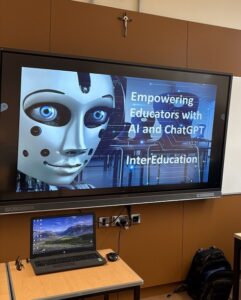
Sometimes the best learning happens far beyond the walls of a classroom. My participation in the Erasmus+ programme in Ireland was exactly that kind of experience—a journey that allowed me to grow both professionally and personally. Although the main purpose of my mobility was to explore how artificial intelligence, especially ChatGPT, can support teaching English as a second language, I returned home with much more than new technological skills. I brought back unforgettable memories, new friendships, fresh teaching ideas, and a deeper appreciation of Irish culture and education.
As teachers, we encourage our students to be lifelong learners, and this Erasmus+ experience reminded me that we should continue learning as well. Throughout the course, I discovered practical ways of integrating ChatGPT into English lessons. We experimented with creating lesson plans, designing vocabulary and grammar exercises, preparing role plays, generating reading texts, and developing speaking activities tailored to students with different abilities. What impressed me most was how AI can save teachers valuable preparation time while opening new possibilities for creativity in the classroom. At the same time, we discussed the importance of using these technologies responsibly and critically, ensuring that artificial intelligence supports learning without replacing the essential role of the teacher.
Another valuable part of the programme was learning about the Irish education system. Meeting teachers from Ireland and many other European countries gave me the opportunity to exchange ideas, discuss common challenges, and discover different teaching approaches. It was inspired to see how much emphasis Irish education places on creativity, communication, collaboration, and independent thinking. These conversations reminded me that, although our schools may be different, teachers everywhere share the same goal—to help young people become confident, curious, and successful learners.
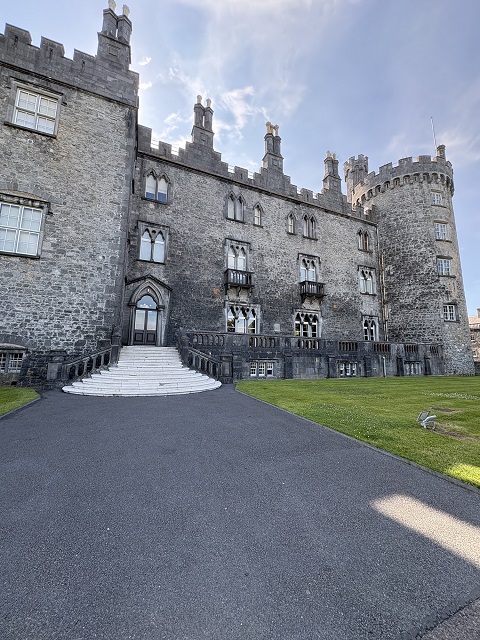
Of course, learning did not end when the lessons were over. Every day offered a new opportunity to explore Ireland and better understand the country whose language I teach. Walking through the streets of Kilkenny was like stepping into the pages of a history book. The beautiful medieval buildings, charming streets, and welcoming atmosphere made it easy to imagine what life had been like centuries ago. I found myself thinking about how exciting it will be to tell my students about this remarkable city when we discuss British and Irish history or plan lessons about travel and culture.
One of the most breathtaking experiences was visiting the Wicklow Mountains. The scenery was simply unforgettable. Endless green hills, peaceful valleys, forests, and crystal-clear lakes created landscapes that looked almost unreal. Standing there, surrounded by nature, I understood why Ireland is often called the Emerald Isle. Nearby, we visited Glendalough, one of Ireland’s most important early Christian settlements. Walking among the ancient ruins while listening to the fascinating stories of Saint Kevin allowed me to connect history with the beautiful natural surroundings in a way that no textbook could ever achieve.
Another memorable evening was spent at Dublin’s Abbey Theatre, where we watched The Black-Headed Boy. Watching a live performance in Ireland’s national theatre was a unique cultural experience. Although I teach English literature and language, seeing Irish drama performed by professional actors offered a completely different perspective. Theatre brings language to life through emotions, humour, and human relationships, and I know this experience will help me encourage my students to appreciate literature beyond the printed page.
Equally moving was our visit to Henrietta Street, where we learned about the lives of ordinary Dubliners across different centuries. Listening to the stories connected with the houses made history feel personal rather than distant. It reminded me that behind every historical event are real people with hopes, struggles, and dreams. Experiences like these help teachers tell stories that make history and culture meaningful for students.
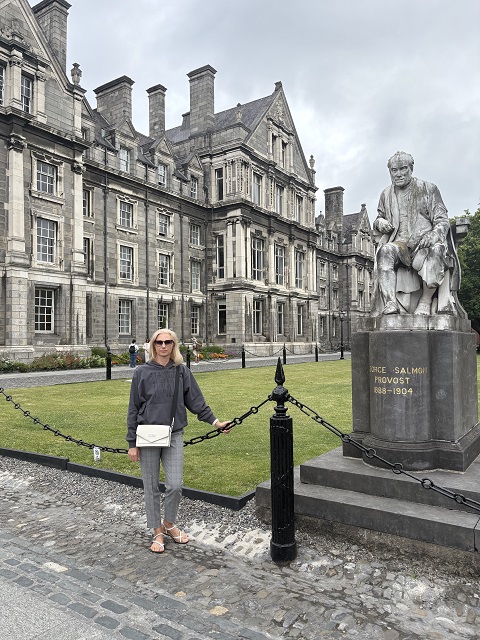
During our stay, we also explored many other fascinating places throughout Dublin and beyond. Every street, museum, historic building, and monument revealed another piece of Ireland’s rich cultural heritage. Instead of simply reading about Ireland, I had the privilege of experiencing it firsthand. I believe this authenticity will make my future lessons more engaging because I will be able to share my own photographs, memories, and personal observations with my students.
No cultural experience would be complete without discovering local food. I enjoyed tasting traditional Irish dishes and learning about the country’s culinary traditions. And, of course, I could not leave Ireland without trying its world-famous Guinness. Sharing meals with colleagues from different countries often became another form of learning, as we exchanged stories about our cultures, educational systems, and everyday lives. These informal conversations were just as valuable as the official training sessions.
Perhaps the greatest gift of Erasmus+ was meeting inspiring people from across Europe. We laughed together, learned together, exchanged ideas, and built friendships that I hope will continue long after the project has ended. It was encouraging to realise that, despite different languages and school systems, we all face similar challenges and share the same passion for helping our students succeed.
Looking back, Erasmus+ was far more than a professional development course. It was a journey of discovery, reflection, and inspiration. Ireland welcomed me with its breathtaking landscapes, fascinating history, rich culture, and warm hospitality. I returned not only as a better-informed teacher but also as a more confident learner, ready to share my experiences with my students and encourage them to dream, explore, and never stop learning.
I am deeply grateful for this opportunity and proud to have represented my school through the Erasmus+ programme. I hope that by sharing my experiences, I can inspire both my colleagues and my students to embrace international cooperation, lifelong learning, and the exciting possibilities that new technologies and cultural exchange can bring to education.